The Cost of Waiting on AI
A conversation with a friend made me rethink what “I’ll learn it later” actually costs.
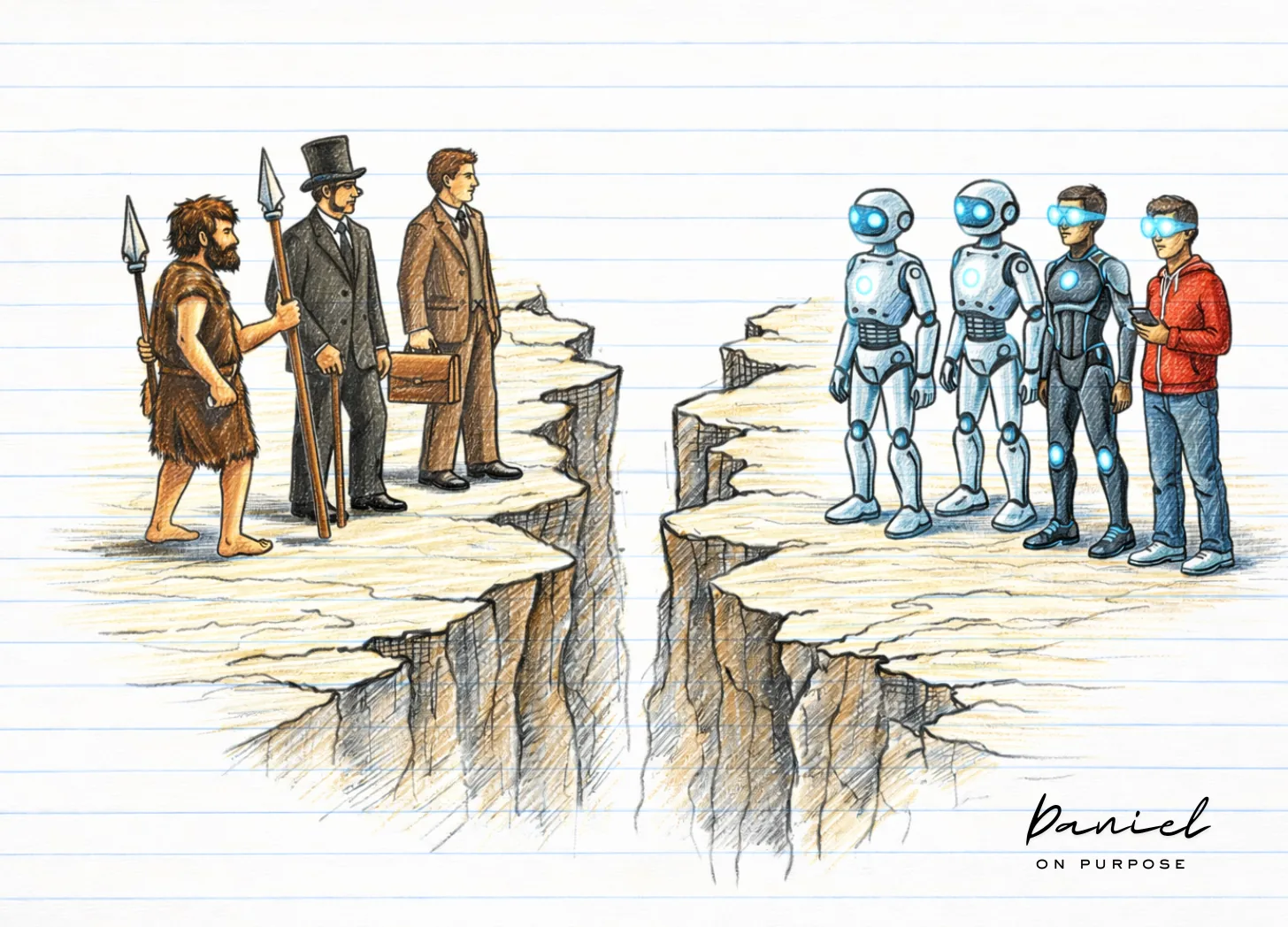
Earlier today I had one of those conversations that sticks with you for a while.
I was on the phone for about an hour with my friend Drew Lentz. Drew is one of the people I know who truly understands how the internet actually works — not just the apps and tools most of us interact with every day, but the underlying systems that move data across the world. He has spent more than twenty-five years working in wireless networking and infrastructure, designing and deploying systems that deliver connectivity in the real world. Along the way he has built companies, developed hardware solutions for the wireless industry through WiFiStand, and helped grow the tech ecosystem in South Texas as a co-founder of Code RGV, a nonprofit focused on teaching computer science and programming to people of all ages.
In other words, Drew spends his life thinking about how systems connect, move information, and scale.
Our conversation started the way most of our conversations do — catching up on what we’ve both been building lately. We traded notes about AI tools, workflows we’ve been experimenting with, and how quickly everything seems to be evolving. At one point Drew said something that made me stop for a moment.
“What I’ve been able to build in the last six weeks,” he said, “would’ve taken five years with a development team before.”
That sentence alone tells you something important about the moment we’re living in.
But what stuck with me even more was where the conversation went next. We started talking about the pace of change in these models and how quickly capabilities seem to evolve. At one point we joked that the systems almost “shed their skin every seven minutes,” constantly refreshing themselves with new improvements and new possibilities.
The tools are changing that quickly.
That’s when the real theme of our conversation started to emerge.
The biggest challenge with AI right now isn’t the technology.
It’s the mindset people have toward it.
More specifically, it’s the phrase a lot of people keep telling themselves:
“I’ll learn it later.”
For a long time, I understood that instinct. AI can feel overwhelming. There are new tools every week, new models every month, and a constant stream of posts explaining why everything you learned last month is already outdated. When the landscape moves that quickly, it’s easy to assume the smart move is to wait until things “settle down.”
The problem is that AI doesn’t behave like most other skills we’ve learned in our lives.
Most learning is linear. If you fall behind in history class, you can catch up. If you miss a new marketing tactic or software update, you can read the manual later. The information doesn’t fundamentally change while you’re learning it.
AI is different.
This is the first time in my life where the learning curve doesn’t feel linear. It feels exponential.
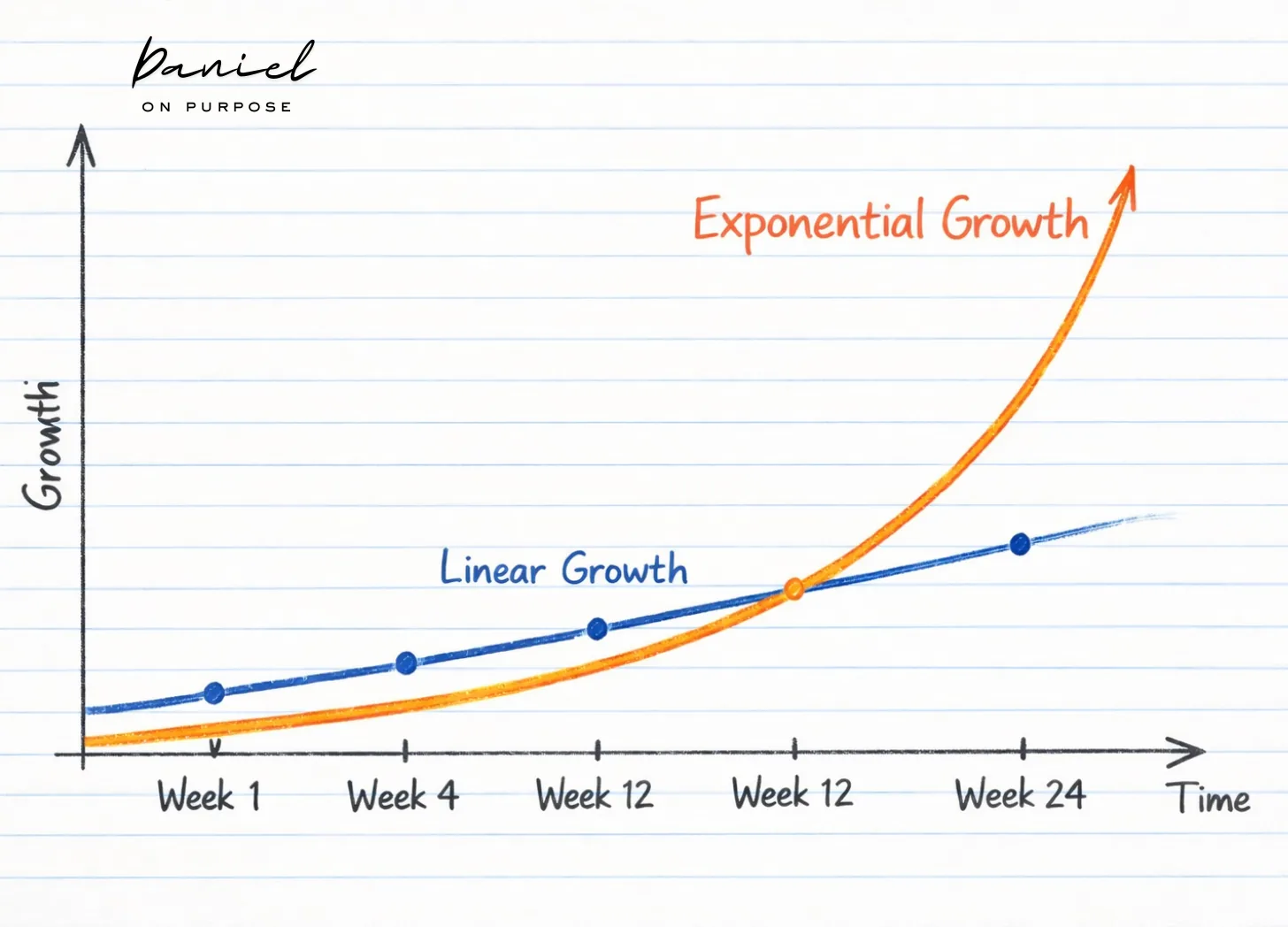
The models improve constantly. New capabilities appear almost overnight. Entire workflows change as new tools connect to each other. Every week that someone spends experimenting with these tools builds intuition that compounds into the next week’s experiments.
Which means the opposite is also true.
When someone waits six months to start learning AI, they aren’t just six months behind. During that time the tools evolved, the people experimenting with them improved, and the workflows became more sophisticated. The goalposts didn’t stand still.
They moved.
That’s why Drew described AI as something of a paradox. For people who understand systems, data flow, and problem solving, AI is becoming an extraordinary force multiplier. One person can build things that previously required entire teams. But for people who stay on the sidelines too long, the technology can start to feel alienating rather than empowering. The gap between users and non-users widens faster than most people realize.
In our conversation we also talked about how some of the public debates around AI already feel outdated. I even referenced a remark from a Vanderbilt professor who joked that if someone is still focused on older conversations about hallucinations, they might already be behind the current state of the technology. The real challenges now involve things like confirmation bias, orchestration between models, and how systems interact with real-world workflows.
In other words, the conversation has already moved forward.
And it will keep moving forward.
That realization forced me to rethink something.
The real risk right now isn’t using AI imperfectly.
The real risk is waiting too long to start using it at all.
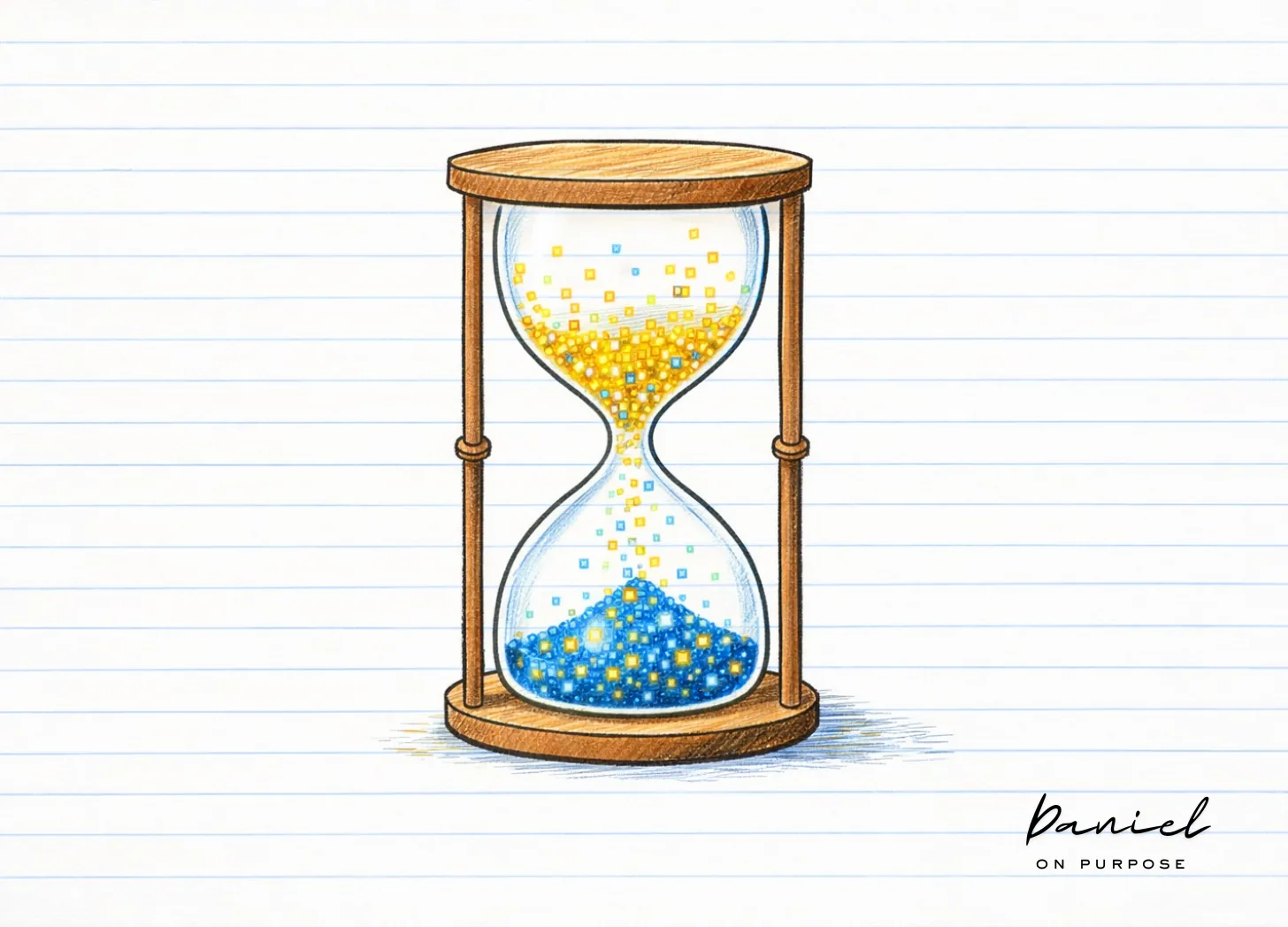
You don’t need to master every tool. You don’t need to understand every technical detail. But the people who are experimenting today are building intuition, frameworks, and workflows that compound over time. Each small project teaches them something that makes the next one easier.
Waiting doesn’t just pause that process.
It means standing still while everything else accelerates.
That’s the cost of waiting.
If this resonated, the newsletter is where it continues — one honest email at a time.