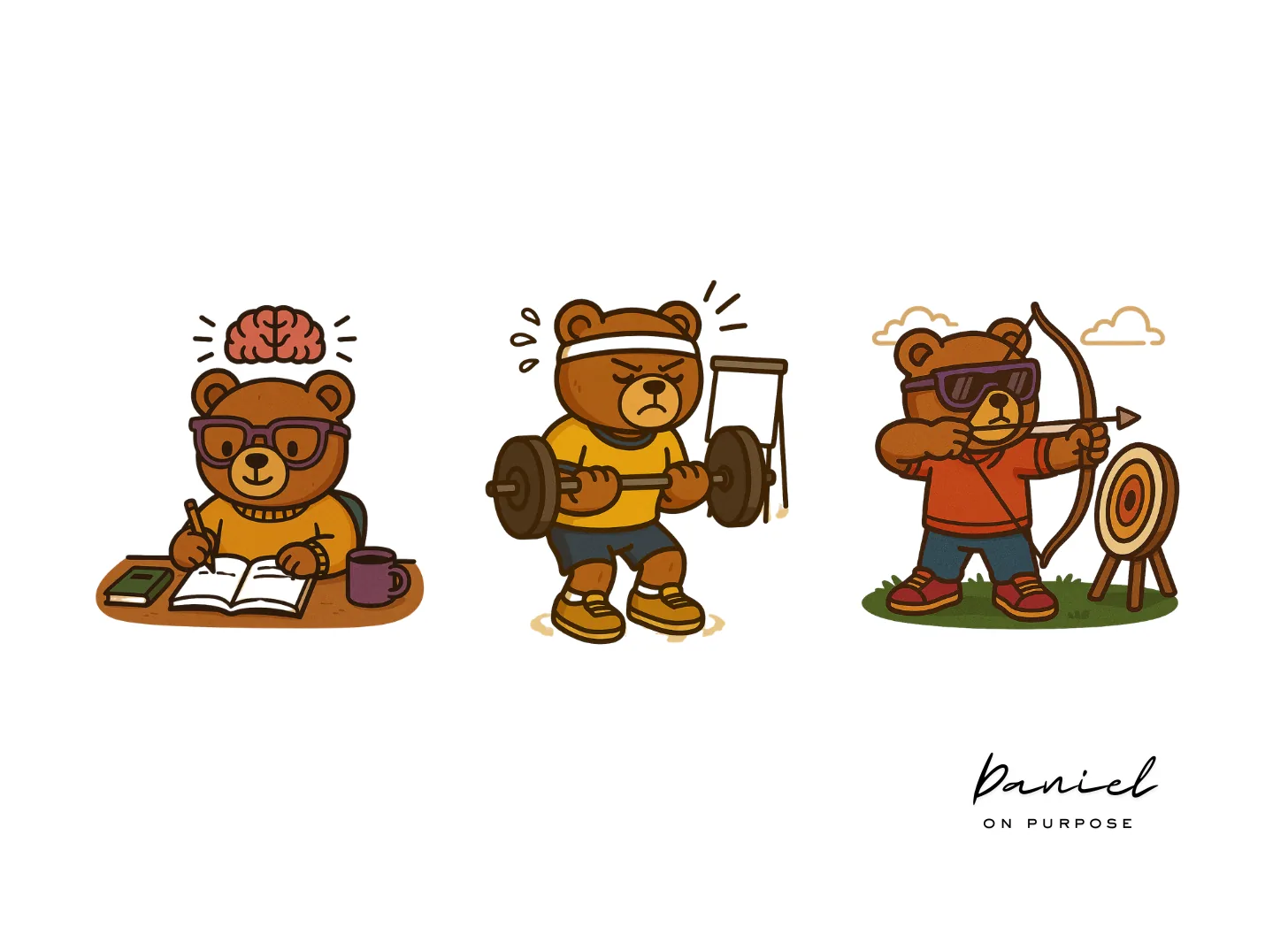
Brain. Train. Execute.
The BTE Method That Turned AI Into Real Leverage
Most people jump straight to prompts.
That’s the mistake.
Over time, working inside the EDC office and building systems at home, I started noticing something. When my information was scattered, AI felt generic. When my context was tight, AI felt powerful.
That realization led me to develop a simple framework I now use consistently:
Brain. Train. Execute.
The BTE Method.
It’s not complicated. But when you run it in order, everything changes.
🧠 Brain: Build your Digital Brain first
Before AI can help you meaningfully, it needs context.
That’s where the Digital Brain comes in.
Whether it’s for a single project or your entire workflow, you need a structured operating picture. Not just ideas floating around, but something organized and accessible:
- project scope
- stakeholders
- partners
- timelines
- intended impact
- audience
When you build this first, AI stops guessing.
It starts assisting.
Your Digital Brain becomes the foundation AI works from. Without it, you’re just prompting into the void.
💪 Train: Build the framework with AI
This is where most people underuse the tool.
Training is not just telling AI what to do. It’s building frameworks together.
Power users don’t just ask AI questions.
They ask AI to ask them questions.
When you do this, something interesting happens. AI will generate ten or twenty questions you hadn’t even considered. Nuances. Edge cases. Clarifications. Constraints.
As you answer those questions, you are refining the framework in real time.
You are clarifying your thinking.
You are setting the tone for everything that follows.
By the time you reach Execute, the system is sharper because the thinking is sharper.
🎯 Execute: Now scale it
Only after Brain and Train are solid does execution become powerful.
Now AI isn’t giving you surface-level output. It’s built from structured context and a refined framework.
That’s when you start seeing the lift:
Clearer plans.
Stronger content.
Better operational documents.
Faster problem-solving.
Not because AI got smarter.
Because you did.
Why this matters
AI is not magic.
It is a multiplier.
If your thinking is vague, it scales vagueness.
If your systems are clear, it scales clarity.
The BTE Method forces you to slow down long enough to build the foundation, train the framework, and then execute with leverage.
That shift has changed how I use AI across projects, strategy, content, and operations.
Most people are experimenting with AI tools.
Very few are building AI systems.
There’s a difference.
A quick real note
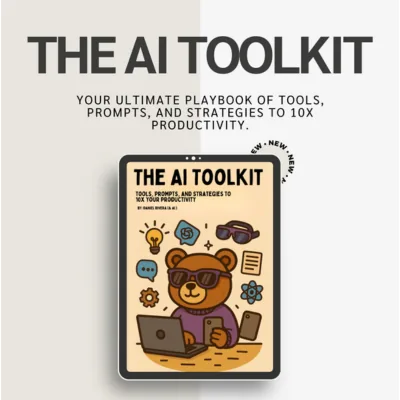
I wrote an AI ebook in late 2025.
I posted about it once on Facebook and LinkedIn… and then life got busy. Like a lot of projects I care about, it ended up sitting on the shelf longer than I planned. That part honestly frustrated me a bit, because I had so much practical AI knowledge stuck in my head and was already helping people around me use it more effectively.
That’s why I built it in the first place.
This BTE section is pulled directly from that work, and I’m planning to keep sharing both big-picture thinking and tactical applications with anyone who wants to follow along.
When I created the ebook, I intentionally packed it with as much usable value as I could and kept the price low (under $10) because I wanted to experiment with digital products and make it accessible.
If this post was helpful, the ebook goes much deeper. My goal was simple: save you hours, days, maybe even weeks of trial and error and help you move faster at work and at home.
I’ve currently got it marked 50% off.
If it helps you even a fraction of how it’s helped the people around me, it was worth putting together.
Hope it helps.
If this resonated, the newsletter is where it continues — one honest email at a time.