Between Meetings & Meals | Learning Without the Pain | Episode 013
What changes when the frustration disappears
The Pour
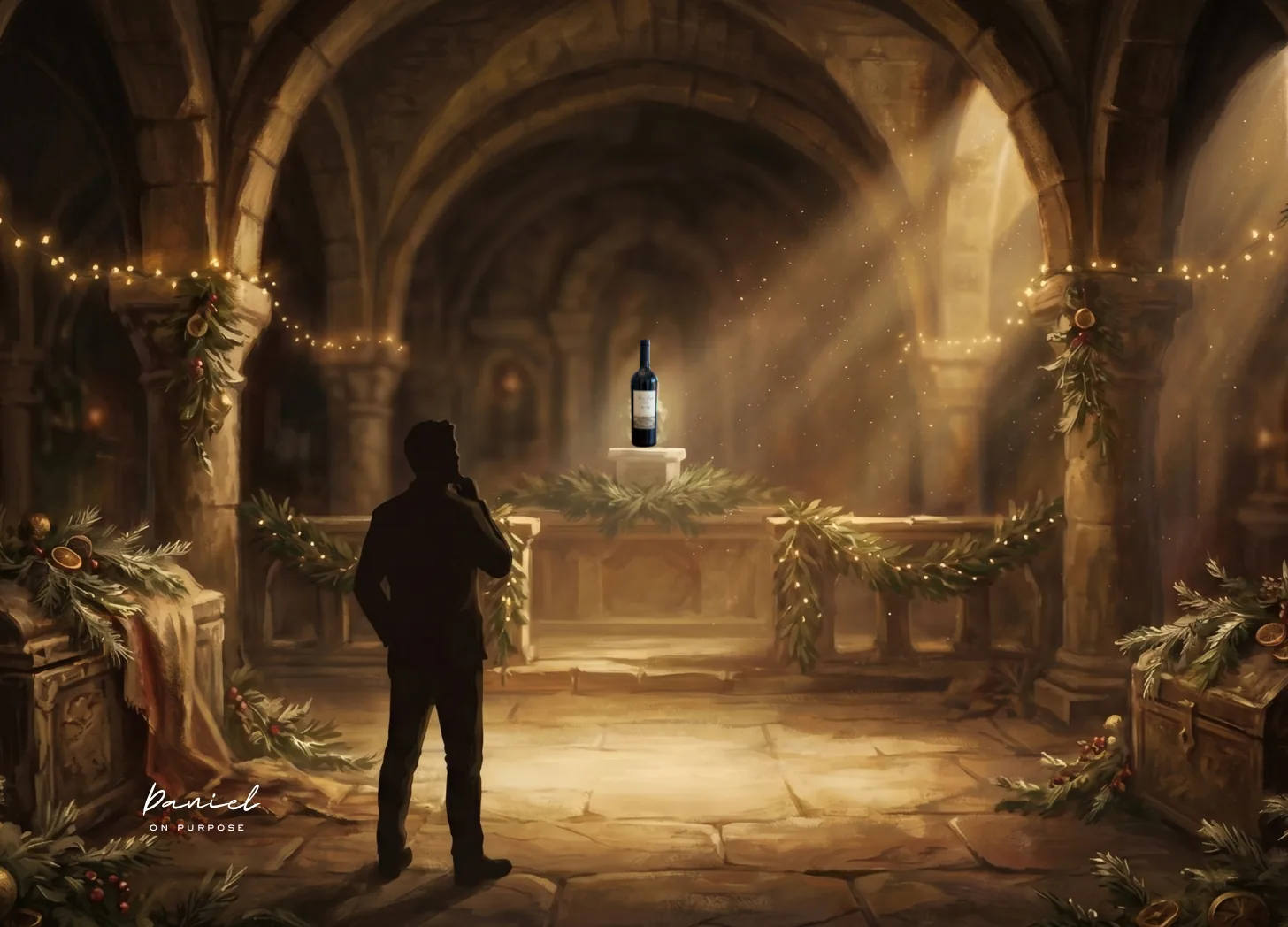
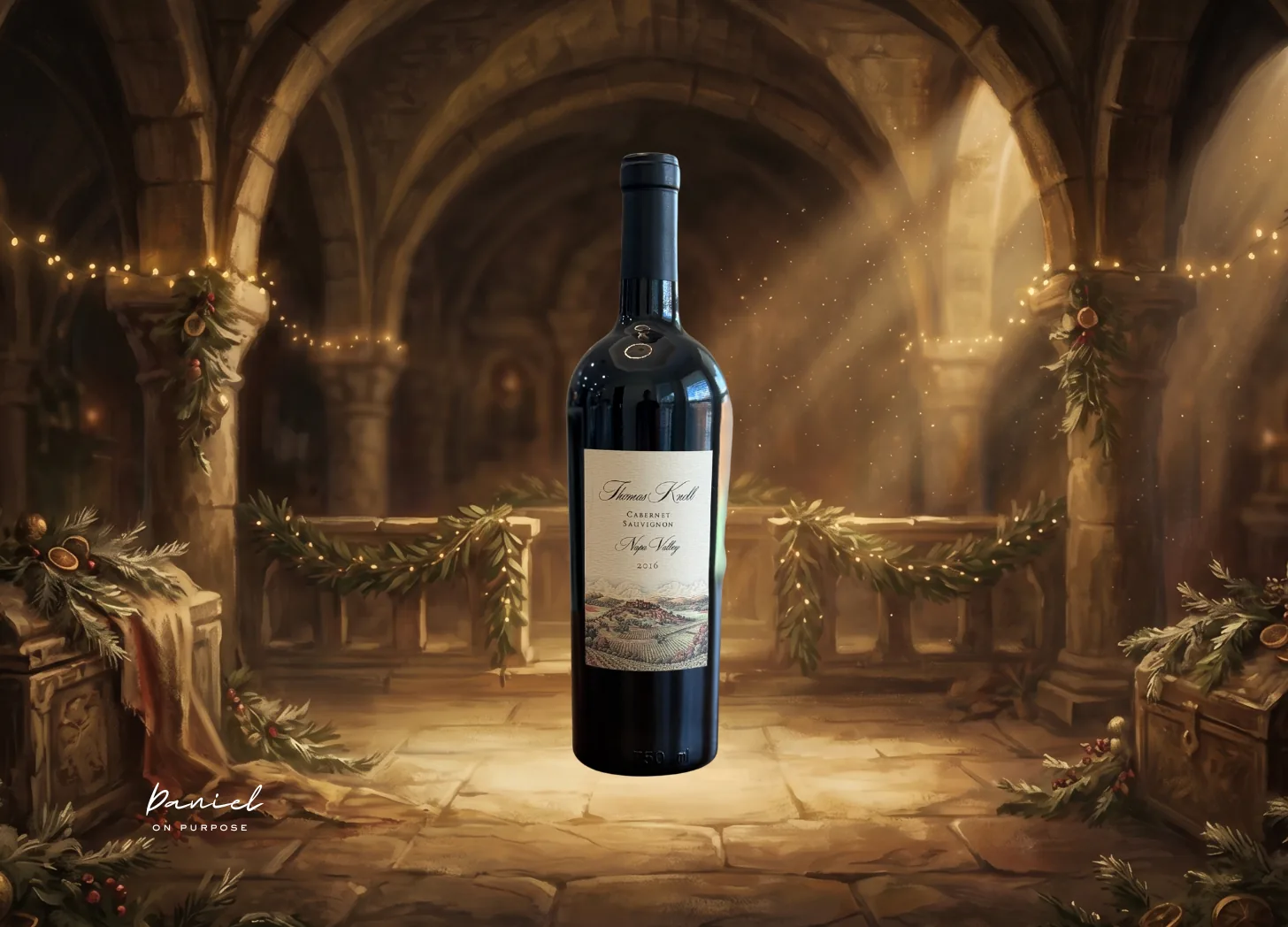
There’s a bottle we had that we still talk about.
Thomas Noel 2016 Cabernet Sauvignon.
We picked it up at H-E-B, and the wine manager there gave us a quick story about it. Said it had some age on it, around ten years, and that it was a solid bottle.
We opened it on Christmas Day.
And it was one of those moments where everything just worked. The steak was on point, the timing was right, the energy of the day was there… and the wine just fit into all of it.
It’s hard to separate what made it so good.
Was it the wine itself, or just everything around it?
Probably both.
Since then, we haven’t been able to find it anywhere.
I’ve Googled it, checked Reddit, looked at different sites that say they have it… and nothing. Every path kind of just dead-ends.
We’ve checked H-E-B again, Total Wine, Specs… no luck.
At this point, it’s kind of become our version of chasing something that might not even be out there anymore.
Like that Ark everyone was searching for.
The Covenant of Wine.
And honestly, that’s part of what’s made this whole thing fun.
Not just drinking wine… but the process of discovering it, chasing it, remembering the ones that stood out.
The Table
This week was a little wordy.
We played a game called A Little Wordy, and it ended up being one of those things that pulls everyone in without you realizing it.
It’s kind of like Scrabble, but not really.
You get letter tiles and create a word, but the goal isn’t just to build it. It’s to hide it. The other team has to figure it out using clue cards, and every move is a balance between giving too much away or not enough.
There’s a pile of tokens in the middle, and you’re trying to outmaneuver each other to collect more by guessing correctly.
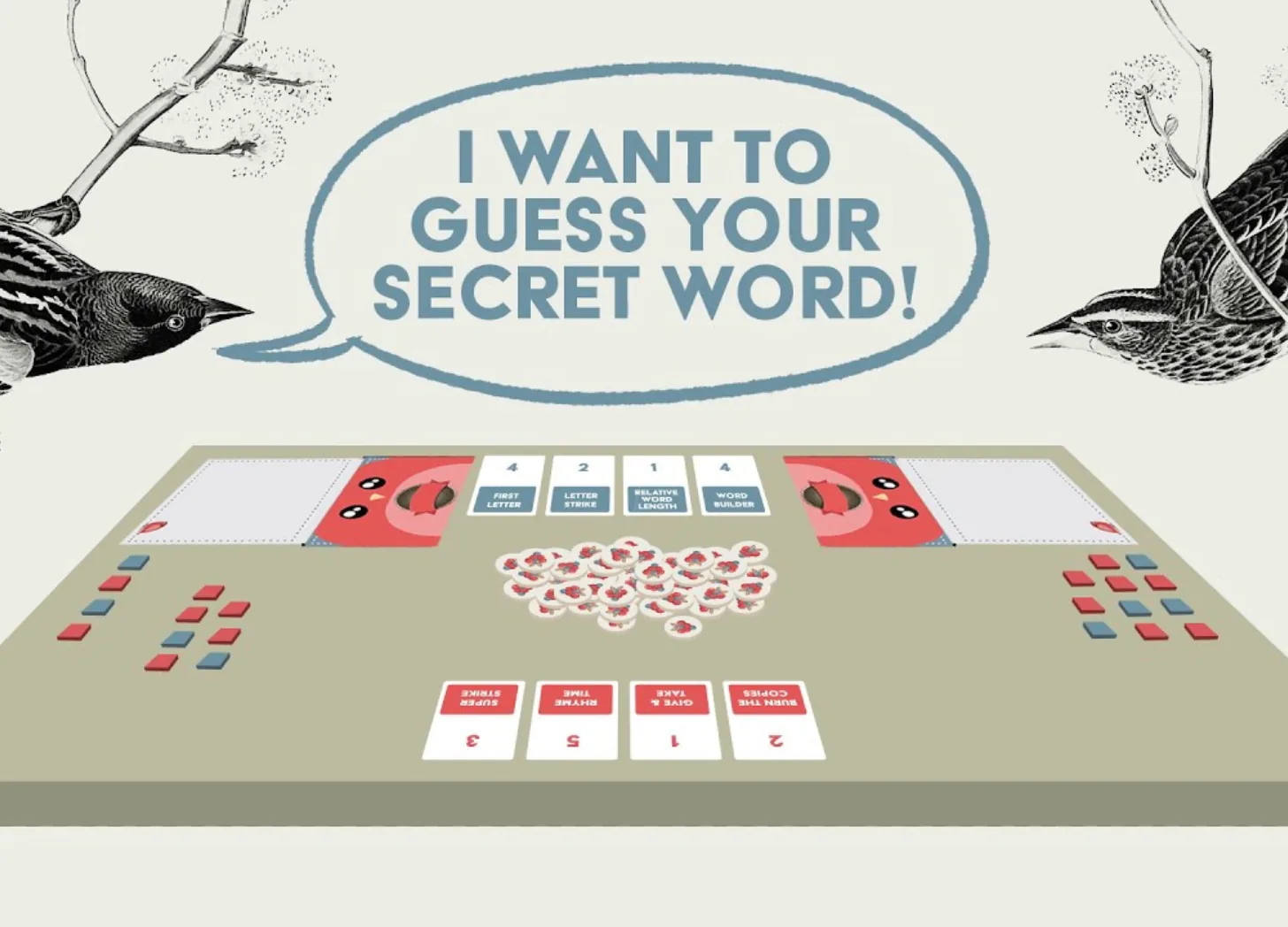
Simple setup, but once you start playing, it gets surprisingly strategic.
We played Anisa and I against Alanah and Addy.
It turned into a solid 30 minutes of thinking, guessing, getting stuck, second-guessing everything. A little frustrating at times, but in a fun way.
But what caught me off guard was how strategic they’ve become.
It used to be easier to read them. You could pick up on something in their face, a reaction, a tell.
That’s gone.
At one point, I thought I had their word figured out based on how they were reacting to the tiles I was putting down. They started giggling, saying things under their breath like “we’re so busted.”
We guessed.
And we were wrong.
They played us.
They outthought us.
And you could tell they knew exactly what they were doing.
It was fun to see that shift happen in real time. They’re not just playing the game anymore. They’re thinking through it.
We ended up tied.
First time playing, and we all said we’d run it back.
The Edge
I’ve been trying out a lot of different tools lately.
Some of them you stick with, some of them you don’t, but every once in a while you come across something that makes you pause for a second.
I’ve mentioned Wispr Flow before, and that’s still one of those for me.
This week, I came across something else called Clicky.
What it does is pretty simple, but kind of crazy when you think about it.
It watches your screen and follows your mouse. Then you can ask it how to do something, and it walks you through it in real time. (Check out video here)
Not a tutorial you have to watch. Not a video you have to pause and rewind.
It just shows you.
Click here.
Type this.
Do this next.
And you’re learning while you’re actually doing the thing.
It’s a different kind of experience.
The Lesson
One thing I’ve started to realize is that AI has quietly removed a lot of the pain from learning something new.
Before, if you were trying to pick something up, you expected friction.
You knew you were going to get stuck. You knew it was going to take time. You knew there would be moments where you’d just sit there not knowing what to do next.
And that alone was enough to keep you from starting.
Even now, I still catch myself doing that.
Avoiding something because I assume it’s going to be complicated or frustrating.
But more often than not, that’s not really the case anymore.
You can ask questions in real time.
You can get guided step by step.
You can figure things out in minutes that used to take hours.
I’ve had a few moments recently where I took the long way around something, just out of habit.
And looking back, I probably could have just jumped in and figured it out a lot faster.
The resistance is still there.
The pain isn’t.
So now it’s more of a reminder than anything.
Just try it.
Ask the question.
Open the app.
Start the thing.
It’s probably not as hard as you think.
I’ve been using Wispr Flow a lot lately.
If you’re not on it yet, I’ll drop a link. (Free Trial) It’s worth trying.
If this resonated, the newsletter is where it continues — one honest email at a time.